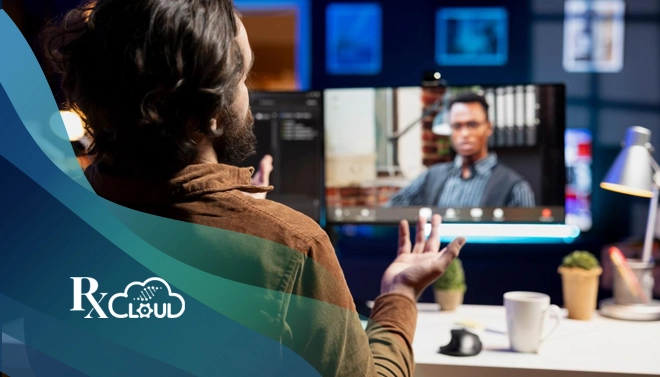
Remote auditing (or e-auditing) is the practice of conducting compliance and quality audits entirely via digital tools, without auditors needing to be on-site. Auditors and clients meet in a virtual environment (for example via Microsoft Teams or Zoom) to share documents, interview staff, and review processes in real time. This method became widely adopted during the COVID-19 pandemic and is now a permanent part of how many industries operate. In sectors like pharmaceuticals and biotech, organizations use remote audits to review GMP/GCP/GLP compliance and quality systems while minimizing disruption to operations. By leveraging cloud-based platforms and secure data sharing, a remote audit can achieve the same level of rigor and compliance oversight as an in-person audit.
Key Highlights
- Cost and Time Efficiency:
Remote audits eliminate most travel and lodging costs. Audits can be scheduled with minimal downtime, saving time and money.
- Greater Flexibility:
Audits can be conducted across multiple locations and time zones without logistic constraints. Teams join via video conferencing and cloud portals, making scheduling easier.
- Improved Accessibility:
Auditors can immediately access records and systems digitally, providing real-time data for analysis. Digital audit trails and system access enhance oversight.
- Enhanced Sustainability:
Cutting travel reduces carbon emissions and paper usage. Remote auditing supports eco-friendly practices while maintaining high standards.
- Quality and Compliance:
With secure tools and clear protocols, remote audits uphold the same quality as on-site audits. Firms that train staff and use professional platforms ensure thorough and compliant audit outcomes.
What Is Remote Auditing?
A remote audit is an official review done virtually using technology. Evidence and records are collected via secure, online communication channels rather than in person. For example, an auditor might ask to view company records on a shared drive and conduct interviews over a video call. During a remote audit, participants can see each other, share screens, and discuss findings live. Common remote audit activities include reviewing electronic documentation, evaluating digital quality systems, and observing processes through video. However, certain checks still require on-site presence (e.g. physical inventory counts or facility walkthroughs) – most organizations use a hybrid approach, doing document-intensive work remotely and scheduling in-person visits for inspections that need hands-on verification.
Remote Audit Process and Techniques
Remote audits follow the same general workflow as traditional audits but use technology at each step. Key techniques include:
- Virtual Meetings and Interviews:
Opening meetings, team discussions, and personnel interviews happen via video conference. Auditors turn on cameras to observe non-verbal cues and guide conversations just as they would face-to-face.
- Digital Document Review:
Auditors request and review electronic records (reports, logs, spreadsheets) through secure platforms. Screen sharing allows auditors and clients to go through documents together. This fosters collaboration and preserves a single source of truth for all files.
- Real-Time System Access:
When needed, auditors gain remote access to client systems (e.g. databases, ERP, LIMS) via secure remote desktop tools. They can directly examine data, run analytics, and verify controls in the live environment.
- Video-Guided Verification:
Clients may perform certain physical tasks (like operating equipment or inventory counting) on camera under auditor supervision. This method provides “eyes-on” assurance without on-site travel.
These methods integrate into a standard audit workflow: Planning (define scope, assess tech needs), Fieldwork (submit document requests electronically, conduct interviews and testing virtually), Review (collaborative analysis of findings), and Conclusion (digital report delivery and virtual closing meeting). Importantly, most successful remote audits use a hybrid model, blending off-site and on-site activities. For example, while interviews and records reviews happen remotely, auditors still travel occasionally to inspect physical facilities or conduct sensitive procedures that can’t be fully captured on video.
Benefits of Remote Auditing
Remote auditing offers several compelling advantages:
- Business Continuity:
Audits can proceed uninterrupted even during travel restrictions or emergencies. Firms pivoted to remote audits during COVID-19 and found many processes could be done just as effectively, if not more so, off-site.
- Cost Savings:
Eliminating travel and lodging leads to significant cost reductions. Organizations save on auditor expenses, and productivity losses are minimized since staff don’t have to host long on-site visits.
- Scheduling Flexibility:
Auditors and clients appreciate the ease of scheduling. Teams in different regions can coordinate meetings over the internet, and auditors can work from anywhere, expanding talent pools across borders.
- Enhanced Analytical Quality:
Studies show that, in some cases, remote auditors make better analytical judgments. For instance, one research experiment found remote auditors considered a wider range of potential error causes and achieved higher decision quality (possibly due to increased psychological distance fostering creative thinking). This suggests remote settings can even strengthen audit quality on data-driven tasks.
- Real-Time Data & Documentation:
Digital access means auditors obtain information immediately. Cloud-based records and shared audit working papers allow instant updates and collaboration. Firms can conduct higher-level analyses by combining data from multiple sources on the spot.
- Environmental Sustainability:
Fewer flights and car trips mean a smaller carbon footprint. Remote audits contribute to sustainability goals by cutting travel and reducing paper use.
Challenges of Remote Auditing
Despite its benefits, remote auditing presents specific challenges:
- Data Security and Privacy:
Conducting audits virtually requires robust cybersecurity. Confidential records move across networks, so firms must use encrypted communication tools and secure platforms to protect sensitive data. Building trust in these tools is essential, and clients should be educated about how information is protected (as recommended by professionals).
- Limited Physical Observation:
Auditors can’t physically inspect equipment or processes remotely. This can make it harder to verify environmental conditions or observe employee practices. To address this, remote audits often supplement with video walkthroughs or schedule targeted on-site visits for critical inspections.
- Technological Issues:
Remote audits depend on internet connectivity and compatible systems. Audio/video glitches, incompatible software, or slow networks can disrupt an audit. Teams must perform pre-audit technology checks and have contingency plans for connectivity problems.
- Communication Gaps:
Without face-to-face interaction, miscommunications can occur. Sharing requests over email or chat may lead to delays. Clear communication protocols are needed so that all stakeholders know the audit timeline, objectives, and how to respond promptly.
- Workflow Coordination:
Remote auditing exposes any fragmented processes. If a company relies on emails and shared drives with inconsistent versions, the disconnect becomes more pronounced. Delays or lost documents can impede progress. Successful remote audits require centralized workflows and systems to track tasks and findings in real time.
Best Practices for Successful Remote Audits
Organizations and auditors can follow these guidelines to ensure effective remote audits:
- Thorough Planning:
Define audit objectives, scope, and criteria clearly from the start. Establish which standards and processes will be reviewed, and make sure everyone understands the audit plan. Confirm that all participants have the necessary technology (video, document access, VPN, etc.) well in advance.
- Pre-Audit Technology Check:
Test all tools and platforms before the audit. Confirm that video conferencing, screen sharing, and remote access to systems work smoothly. Address any compatibility issues or access permissions ahead of time to avoid delays.
- Clear Communication and Roles:
Assign responsibilities (who will present documents, who will host the meeting, etc.) and set communication protocols. Schedule orientation sessions to familiarize the audit team and client staff with the process and tools. Regularly update everyone on progress and next steps throughout the audit.
- Use Secure, Professional Platforms:
Utilize audit software and communication tools designed for compliance work. Educate clients about the high-quality, secure technology used (as recommended by industry experts). Avoid ad-hoc solutions like personal email or non-secure file sharing.
- Maintain Professional Skepticism:
Auditors should apply the same level of scrutiny as on-site. For example, keep cameras on during interviews to observe body language and ensure authenticity. Cross-check statements against documents and request additional proof if something seems unclear.
- Comprehensive Documentation:
Track all audit activities in detail. Keep clear records of document versions, evidence obtained, and communications. Use shared audit checklists and report drafts so that findings are transparent to all. Thorough documentation helps maintain integrity without on-site oversight.
- Adapt and Learn:
After each remote audit, gather feedback and adjust. Continuously refine your approach based on what worked or didn’t. As PECB notes, remote audits benefit from continuous improvement of methods and technology use.
Remote Auditing Tools and Technology
A range of modern tools support remote auditing:
- Audit Management Software (eQMS/EDMS):
Electronic Quality Management Systems and document repositories centralize the audit process. These platforms let teams plan the audit, assign tasks, record findings, and issue reports in one place. Examples include cloud-based audit suites and enterprise QMS solutions tailored for regulatory compliance.
- Video Conferencing:
Platforms like Zoom, Teams or WebEx handle live interviews, facility walkthroughs, and meetings. Good audio/video quality and recording capabilities help capture non-verbal cues and review sessions later.
- Remote System Access:
Secure remote desktop or VPN access allows auditors to log into the client’s IT systems (e.g. accounting software, manufacturing databases, LIMS). This lets auditors examine controls in situ and even run data analytics on live systems.
- Data Sharing and Collaboration Tools:
Encrypted file-sharing, virtual data rooms, or collaborative workspaces ensure that documents are shared safely. These keep a clear version history and permission control so that only authorized users see sensitive data.
- Cloud Audit Suites:
Integrated solutions (like those by leading audit software vendors) combine checklists, workflow tracking, analytics, and communication features. Such platforms streamline remote audits end-to-end, from planning to reporting.
Choosing the right tools and training teams to use them is key. According to industry experts, leveraging professional audit tools and conducting regular training sessions greatly enhances confidence and proficiency in remote auditing technology.
When to Choose Remote Auditing
Remote audits work for many audit types. They are particularly effective for:
- Document and System Audits:
Reviews that focus on records (e.g. QA documentation, SOPs, digital logs) or information systems (ERP, QC instruments) are easily done remotely.
- Distributed or Multi-Site Companies:
Organizations with facilities across regions or countries can use remote audits to coordinate a single auditor reviewing multiple sites from one location.
- Regulated Industries:
Sectors like life sciences, healthcare, finance, and food safety have embraced remote audits. For example, RxCloud conducts remote GMP audits , GCP audits and GLP audits for pharmaceutical clients worldwide. Regulatory bodies (like the FDA) also recognize remote audits as legitimate oversight tools when implemented correctly.
- Continuous Compliance Monitoring:
Remote auditing allows for more frequent follow-ups or smaller spot audits without the overhead of travel. Firms can maintain continuous oversight, performing more checks in less time.
However, as standards emphasize, auditors must still obtain sufficient evidence for their conclusions. That often means mixing remote methods with on-site checks where needed. In practice, many companies use a hybrid approach: doing most document-intensive tasks remotely while scheduling targeted on-site visits for physical inspections (e.g. inventory counts, product visual checks, or sensitive interviews).
Why Choose RxCloud for Remote Audits
RxCloud is a leading quality assurance partner for life sciences, with extensive experience in digital auditing. We have a global team of 200+ auditors across 27+ countries, ensuring we can support your remote audit needs anywhere in the world. Our auditors are certified and trained in GxP (GMP, GLP, GCP, GVP) and IT security standards, and we use advanced audit platforms to manage projects end-to-end. By choosing RxCloud, you gain:
- Global Compliance Expertise:
Years of conducting remote and on-site audits in pharma, biotech, medical devices, and more. We understand regulatory expectations and tailor audits to your scope.
- Reliable Technology:
We employ secure, cloud-based tools for document control, live interviews, and reporting. Our infrastructure meets international security standards, ensuring confidential data stays protected.
- Tailored Services:
Whether you need a one-time virtual audit or an ongoing remote audit program, we will customize the process. We also offer training and support so your staff are prepared for remote engagement.
- Consistent Quality:
Remote auditing is “here to stay,” but success depends on execution. At RxCloud, we combine professional skepticism with rigorous documentation to maintain audit integrity. Our clients benefit from our proven methodologies and continuous improvement mindset.
With RxCloud’s expertise, you can confidently shift to remote auditing or enhance your current remote audit program.
FAQs
1. What is a remote audit?
A remote audit is an audit conducted virtually via digital means. Auditors gather evidence and verify controls through video meetings, shared documents, and remote system access, instead of traveling on-site. It achieves the same goals as a traditional audit by using technology to bridge the physical gap.
2. How does a remote audit work?
Remote audits follow the standard audit phases (planning, fieldwork, review, reporting) but use online tools. Auditors define scope and objectives, then schedule video calls for interviews and submit document requests electronically. They review records on shared platforms and may use screen sharing or remote desktop tools. Finally, findings are documented in electronic reports and presented in virtual closing meetings.
3. Is remote auditing secure?
Yes – when done correctly, remote audits meet strict security requirements. Auditors use encrypted video conferencing and document management systems with controlled access. Professionals educate clients on using secure, purpose-built tools (as recommended by audit experts). By following best practices for data handling and privacy, remote audits can be as secure as on-site audits.
4. Can remote audits meet regulatory standards?
Absolutely. Regulatory authorities like the FDA explicitly allow and guide the use of Remote Regulatory Assessments for many industries. Standards bodies (e.g. ISO 19011) provide guidance on remote auditing. Many organizations now incorporate remote audits into their compliance programs, and studies show they can maintain or even improve audit quality under the right conditions.
5. Does RxCloud offer remote auditing?
Yes. RxCloud provides remote auditing services for quality and compliance. Our global audit teams use advanced platforms to conduct virtual GMP, GLP, GCP and other regulatory audits. We ensure your remote audit is thorough and in line with industry guidelines. Contact us to discuss your specific remote auditing needs.
Ready to Leverage Remote Auditing?
Remote auditing isn’t going away – it’s the new normal for maintaining quality and compliance efficiently. If you’re planning your first virtual audit or want to improve your remote audit process, RxCloud can help. Our experts will guide you through each step, from planning and technology setup to execution and reporting. Whether you need a one-time virtual audit or an ongoing remote audit program, contact RxCloud today to Request a Proposal or Schedule a Consultation. Let us help you streamline your audit process while upholding the highest standards of compliance.